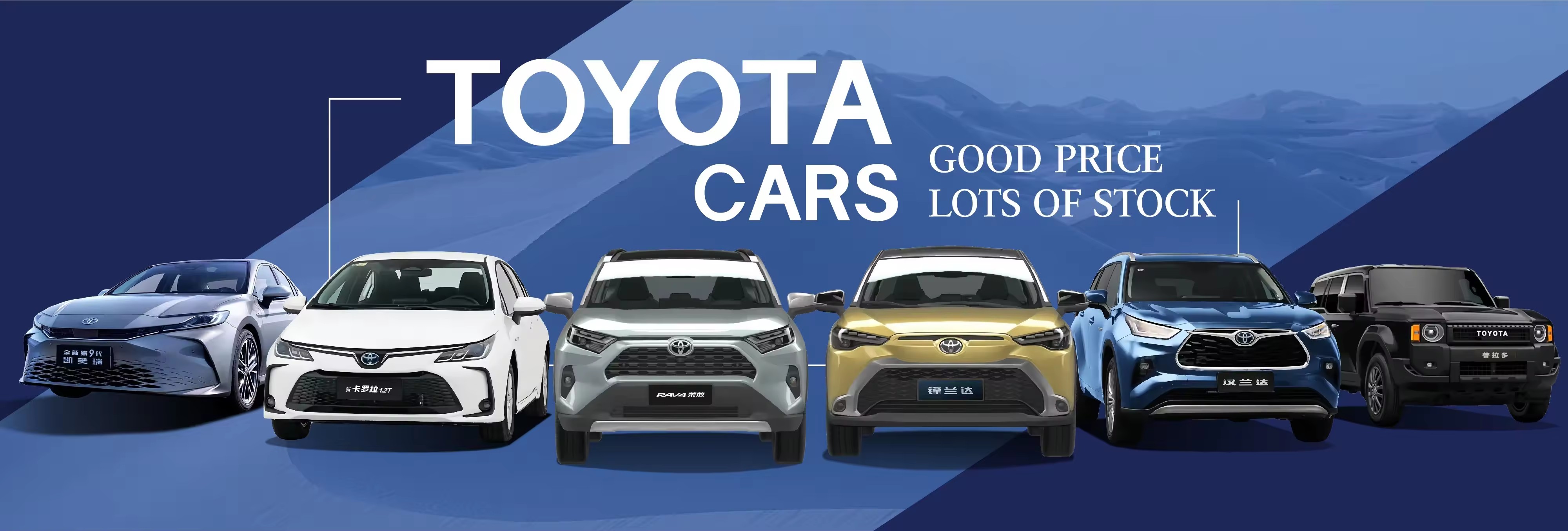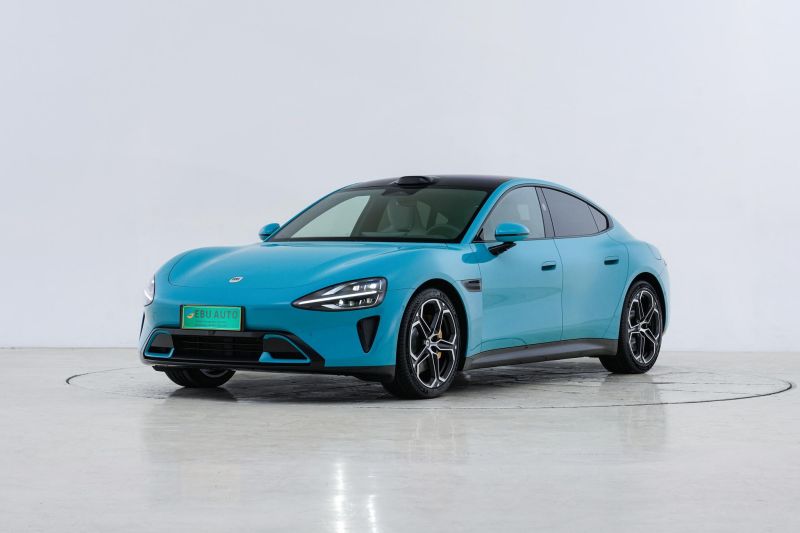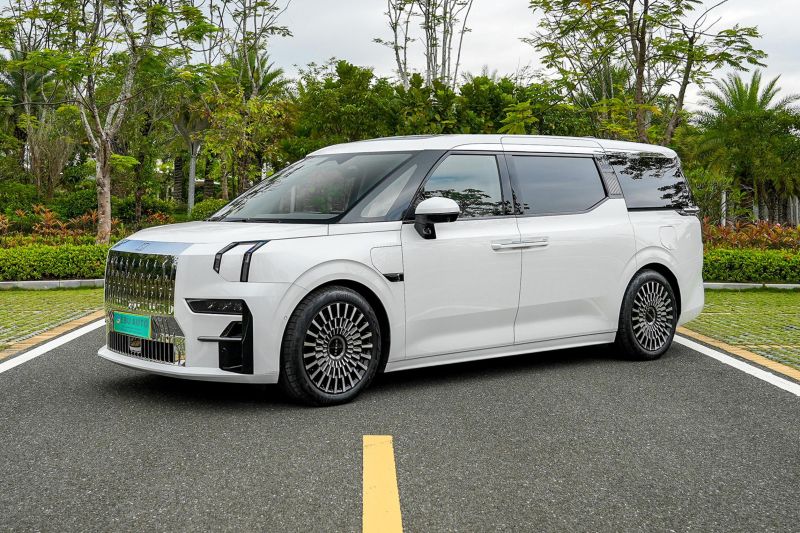
Toyota finally admits: Our electric cars failed!
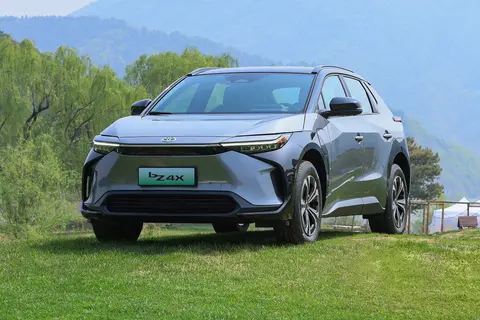
Toyota, which was proud in the era of fuel vehicles, finally lowered its head.
Recently, Toyota Motor's new president Tsuneharu Sato said at a media exchange meeting, "We failed in the development of pure electric vehicles and found many problems in practice." This is the first time Toyota Motor has admitted that it has failed to develop pure electric vehicles in the new era. Failure in the field of energy vehicles.

Toyota's first pure electric platform product, Toyota bZ4X, encountered Waterloo as soon as it was launched. Sales data shows that since Toyota bZ4X was launched in China in October last year, the cumulative sales of Toyota's two joint ventures were 4,231 vehicles and 3,353 units, with total sales of less than 8,000 units. This pure electric model, which Toyota had high hopes for, obviously did not meet expectations.

The poor sales are mainly due to poor product strength. Toyota Bz4x has obvious problems such as false battery life, slow charging power, and low intelligence. In a test by a certain media, it was equipped with a 66.7 kWh battery. , it took 423 minutes to fully charge using fast charging, which is more than 7 hours. At normal temperature, the charging power of this car is only 30 kilowatts, which can be said to have no fast charging function at all. In the media test, the official cruising range of this car is 560KM, and the measured low-temperature cruising range is 208.6KM. The cruising range is only 37%.
The performance of its products can be called catastrophic. Even if the price of this car is reduced by 60,000 yuan, it is still difficult to recover sales. This mid-to-high-end pure electric SUV is supposed to rival BYD Tang and Tesla Model Y. Its online reputation is almost one-sided. negative reviews.

Recently, Toyota launched a new model: Toyota bZ3, which has three configuration versions, priced at 169,800 yuan, 189,800 yuan and 199,800 yuan respectively. It is positioned as a medium-sized pure electric sedan. The battery and motor of this car are both from BYD. The maximum power of the motor is 135 kilowatts and 180 kilowatts respectively, the maximum torque is 303 N·m, and the CLTC operating range can reach up to 616km.
"Thirty years in Hedong and thirty years in Hexi" is finally here. In the past, BYD imitated the Corolla to create the BYD F3, but now Toyota uses BYD's batteries and motors, and things have changed.
The stubborn Toyota finally lowered its head. Toyota once bombarded electric vehicles many times and insisted on developing hybrid vehicles and hydrogen fuel vehicles. But in the end, Toyota still had to succumb to reality. To put it bluntly, in this In the chess game, Japan is not a player, but just a pawn. China and the United States have set the tone for the development of new energy vehicles.
It’s just that Toyota’s elephant turned around too late. It is said that Toyota’s next-generation electrification platform will not be released until 2026. How many opportunities will be left for Toyota in the new energy vehicle market at that time?

In the century-old automobile industry, it’s time for a new leader.
2025 Panda Karting & Panda Rider are on sale for a limited time, starting from 45,900 yuan
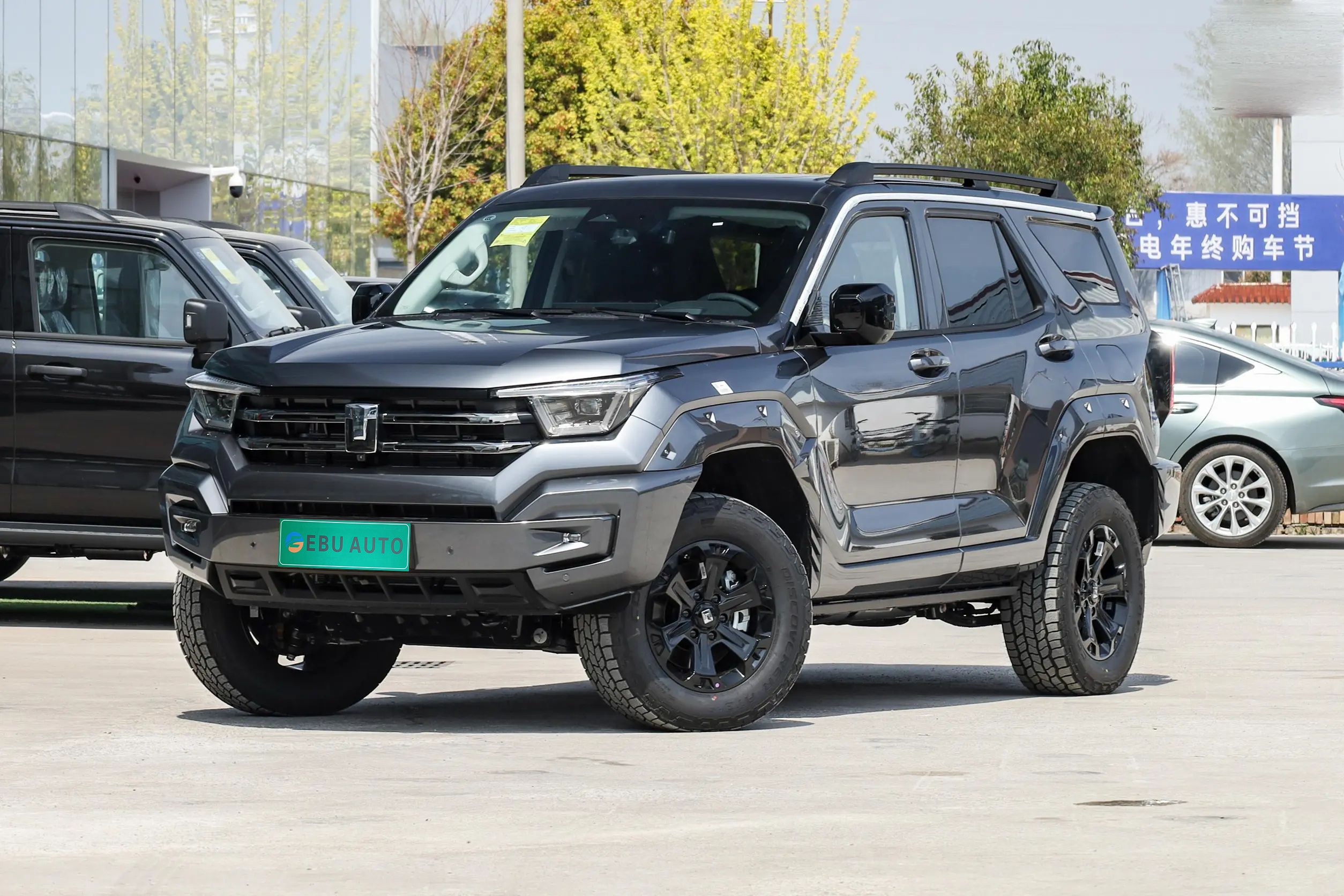
Who knows more about off-roading than Great Wall? Tank 300 diesel version will be launched soon