Can smart electric vehicles take the worry out of driving in winter? Looking at new industry trends from Xiaomi SU7
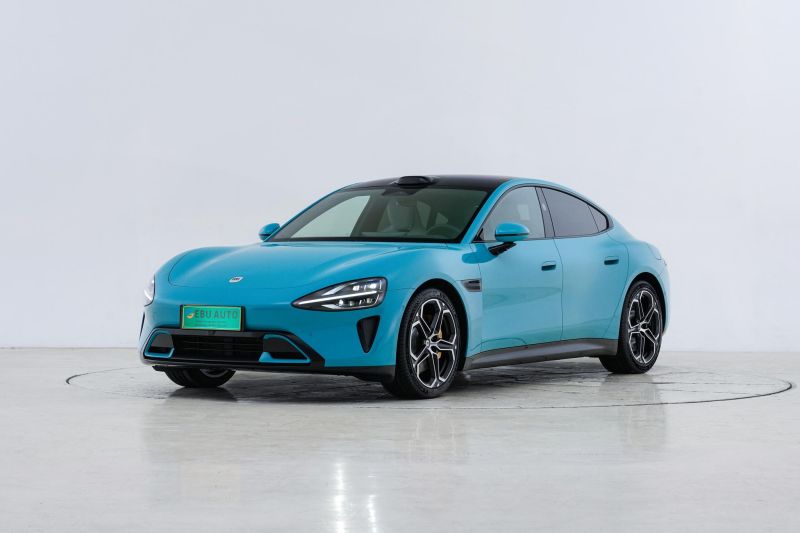
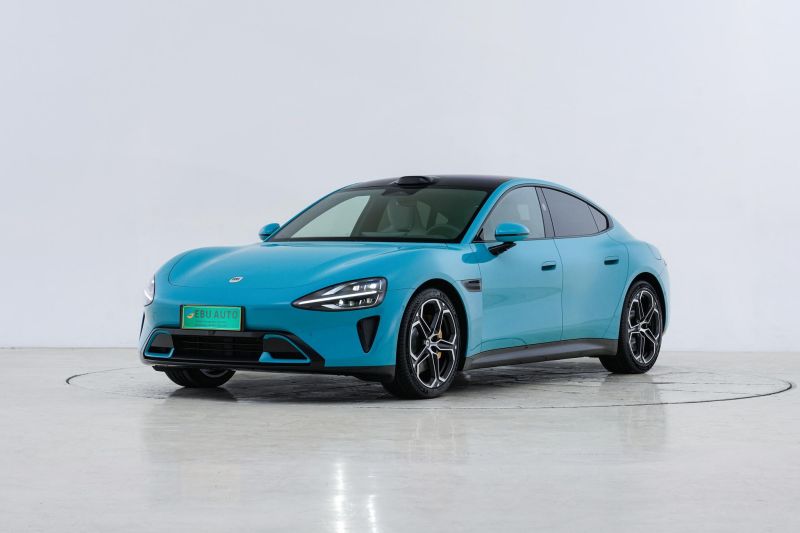
With the release of Xiaomi SU7 , smart electric vehicles have once again become the focus of the market. Compared with the inconveniences of traditional fuel vehicles in winter, Xiaomi SU7 is highly anticipated for its intelligent configuration and new technology. However, can Xiaomi SU7 really solve common problems such as low-temperature battery life degradation, battery performance, and heating systems? This is not only a test of its technology, but also a question for the entire industry.

The winter dilemma of traditional fuel vehicles
Using a car in winter has its own unique challenges, especially in low-temperature environments where vehicle performance is often affected in many ways. Here are some key questions:
Reduced battery performance
Low temperature will cause the car battery capacity to decrease, the starting voltage to be insufficient, and even the vehicle to be unable to start. Especially for batteries that have been used for more than 3 years, the failure rate will increase significantly in winter.
High freezing point requirements for antifreeze
The freezing point of the antifreeze needs to be adjusted according to the local minimum temperature. Many car owners neglect the performance of antifreeze, resulting in vehicle cooling system failure in winter.
Match engine oil to engine
In low-temperature environments, the viscosity of traditional engine oil increases and the engine starting resistance is large, affecting vehicle operating efficiency. Car owners often need to change engine oil with better low-temperature fluidity.

Tires have insufficient grip
Ice and snow roads are slippery, and ordinary tires cannot provide enough grip. Replacing winter tires or equipping with snow chains are common solutions, but they are more expensive to use.
Wiper and glass water issues
The wiper strips are prone to aging at low temperatures, affecting the wiping effect; ordinary glass water is prone to freezing in cold environments, further reducing driving safety.
Xiaomi SU7’s technological breakthrough: How to respond to these problems?
As a newcomer in the field of smart electric vehicles, Xiaomi SU7 uses "intelligent response to extreme environments" as its selling point, trying to provide a one-stop solution for winter vehicles.

Intelligent thermal management system copes with battery life degradation
According to official data, Xiaomi SU7 is equipped with a new thermal management system that can reduce battery energy loss in low-temperature environments and control battery life degradation to about 20%. Compared with the industry average attenuation rate of 30%-40%, this technology is undoubtedly an important breakthrough.
Heating system is more energy efficient
The heating system of traditional electric vehicles relies on electric energy, resulting in a significant decrease in battery life in winter. Xiaomi SU7 uses heat pump air conditioning technology, which not only improves heating efficiency, but also reduces power consumption and ensures longer battery life.
Panoramic intelligent monitoring system
Xiaomi SU7 has an intelligent recognition function for ice and snow roads, combined with the ESP stability system and four-wheel drive mode, to further enhance driving stability in ice and snow environments. This design helps relieve car owners’ control pressure during winter driving.

Performance tires and additional services
Xiaomi SU7 provides winter tire options for northern users, and adds free snow tire installation activities to its after-sales service, providing consumers with a more practical solution.
Detailed design is more considerate
For example, Xiaomi SU7 comes standard with anti-freeze glass water, wiper heating function, and a de-icing mode that clears car windows of frost with one click. These details are designed with the actual needs of car owners in mind.
Data comparison: winter performance of traditional fuel vehicles and Xiaomi SU7
The following is a comparison of key performance indicators between Xiaomi SU7 and traditional fuel vehicles in winter:
Consumer expectations: How can technology be deeply integrated with services?
Through comparison, it can be seen that Xiaomi SU7 provides a series of innovative solutions to the main pain points of driving in winter, especially the intelligent thermal management and heating system with outstanding performance. However, whether technological advantages can be transformed into high-quality user experience still needs market testing.
What are your expectations for Xiaomi SU7’s performance in winter driving? Have you ever encountered a frustrating winter car problem? Welcome to leave a message in the comment area, share your experiences and opinions, and let us discuss how to make winter travel more worry-free!
Xpeng G9 new model unveiled: motor power increased to 423 kilowatts
Emphasizing sports attributes, Volvo C40 real car pictures exposed